AI for Restaurants
Guests are calling. No one's answering.
You're losing revenue. Fix that.
An AI host that takes reservations, answers menu and allergy questions, handles catering inquiries, and manages your waitlist — even during the dinner rush.
See how it worksThe Customer Journey
From first message
to confirmed order
Watch how Alyssa handles a takeout order from start to finish — menu browsing, dietary needs, and payment. All in one seamless conversation.




What the AI does
Everything your host does.
Even during the dinner rush.
Why it pays for itself
Numbers that speak for themselves
Multiple integration styles
One AI. Many ways to
meet your visitors.
Every business is different. Choose the integration that fits your website — or let us design one from scratch.

Don't see the perfect fit?
We'll design it for you.
Every widget we build is tailored to match your brand, tone, and website design — down to the last pixel. Your visitors won't know it's AI.
Talk to usThe Missed Call Problem in Restaurants
Restaurants operate in controlled chaos. During service, every staff member is doing three things at once — plating food, greeting guests, running drinks. The phone rings. Nobody picks up. Research from the restaurant industry suggests that a significant share of calls to restaurants go unanswered, particularly during peak hours. Each missed call is a potential reservation, a takeout order, a catering inquiry, or a large party booking. For a restaurant doing $40 to $80 per cover, a single missed reservation for a party of four represents $160 to $320 in lost revenue. Across a week of busy dinner services, that adds up fast. The typical solution is to hire a host specifically to answer phones. That costs $25,000 to $35,000 per year for a position with high turnover. An AI assistant handles these conversations instantly — during the Friday night rush or at midnight when someone is planning a birthday dinner for next weekend.
Reservations Happen at Odd Hours
A large share of restaurant reservations are made less than 24 hours in advance. People decide where to eat while commuting home, browsing their phone during lunch, or lying in bed on Sunday morning planning the week ahead. If your reservation system requires a phone call during business hours, you are losing the spontaneous diners who make up a huge portion of your covers. Third-party platforms like OpenTable and Resy solve part of this problem, but they charge per cover and own the customer relationship. When a guest books through a third party, you pay a fee and the platform keeps the data. An AI assistant on your own website takes reservations directly — party size, date, time, special requests — with zero commission. The guest interacts with your brand, not a middleman. And you keep the contact information for future marketing.
Allergies and Dietary Questions Are a Liability
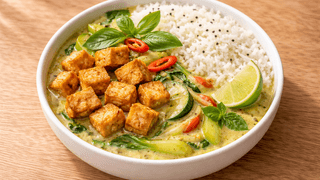
Food allergies are not a niche concern. A meaningful percentage of adults in the US report having at least one food allergy, and that number increases every year. For restaurants, this creates both a legal responsibility and a service opportunity. When a guest calls to ask whether your pasta is gluten-free or whether the sauce contains tree nuts, they need a confident, accurate answer. A busy server might guess. A distracted host might say "probably" when the correct answer is "no, but we have alternatives." An AI assistant trained on your complete menu — every ingredient, every preparation method, every cross-contamination risk — gives definitive answers every time. It knows which dishes can be modified for dairy-free diners. It knows that the pad thai sauce contains peanuts but the green curry does not. This level of accuracy protects your guests and protects your business from liability.
Catering and Events Are High-Margin Opportunities
Catering and private events typically carry margins two to three times higher than regular dine-in service. A corporate lunch for 30 people or a rehearsal dinner for 50 can generate more revenue in a single booking than an entire evening of walk-in covers. The problem is that event inquiries require back-and-forth communication — menus, pricing, dietary accommodations, room setup, timing. This is exactly the type of conversation that gets deprioritized when the restaurant is busy with daily operations. Inquiries sit in an inbox for days. By the time someone responds, the client has booked elsewhere. An AI assistant qualifies event leads immediately. It asks the right questions — date, guest count, budget range, dietary requirements — and provides preliminary information about your private dining options and catering packages. The inquiry goes from "maybe next week" to a warm lead with all the details your events manager needs to close the deal.
Takeout Without the Third-Party Tax
Third-party delivery platforms charge restaurants between 15 and 30 percent per order. On a $50 takeout order, that is $7.50 to $15 going to the platform instead of your bottom line. For restaurants doing significant takeout volume, these fees add up to tens of thousands per year. Direct ordering through your own website eliminates these commissions entirely. But most restaurant websites make direct ordering frustrating — clunky menus, no way to ask questions, no modifications, no dietary guidance. Guests default to the delivery app because the experience is simply better. An AI assistant changes this equation. When a guest visits your site and says they want to order takeout for four people with one vegetarian, the AI builds the order conversationally. It suggests dishes, handles modifications, confirms the order, and processes payment — all through a natural conversation. The experience rivals any delivery app, but every dollar stays with your restaurant.
Your Website Is Not Working Hard Enough
Most restaurant websites exist to display a menu, list hours, and provide a phone number. They are digital versions of the sign on the door. In a world where guests research restaurants online before ever walking in, this is a missed opportunity. A guest lands on your website because they are interested. Maybe they searched for Italian food near them, or a friend recommended you, or they saw your Instagram post. At that moment, they have intent. They want to know if you can seat six people on Saturday, whether you have a private room, or if the kids menu has options their picky eater will actually eat. If the only way to find out is to call — and nobody answers — that intent evaporates. They go to the next result. An AI assistant converts website visitors into guests by answering their specific questions and guiding them toward a reservation, a takeout order, or an event inquiry. For restaurants investing in any kind of marketing, this is the last step that actually turns attention into revenue.
Common questions
Frequently asked questions
Can the AI take reservations directly?
Yes. It collects date, time, party size, and special requests, then books directly into your reservation system. Guests get instant confirmation — no phone tag, no waiting for a callback.
How does it handle allergy and dietary questions?
We train the AI on your complete menu including ingredients, preparation methods, and cross-contamination risks. It gives accurate answers about gluten-free, nut-free, vegan, and other dietary needs — every time, without guessing.
Does it work with my existing POS or reservation system?
The AI integrates with major restaurant platforms including Toast, Square, Resy, OpenTable, and Yelp Reservations. Bookings and orders flow into your existing workflow.
Can guests place takeout orders through the AI?
Yes. The AI walks guests through the menu, handles modifications and dietary preferences, builds the order, and processes payment — all in a natural conversation. No third-party commissions.
How much does it cost?
Plans start at $179 per month with no setup fees and no long-term contracts. For restaurants losing even a few reservations per week to missed calls, the AI typically pays for itself within the first few days.
Learn more
Related articles
AI assistants for other industries
Ready to stop losing
guests to missed calls?
Book a quick call and we'll show you exactly how your AI host would handle reservations, menu questions, and guest service.